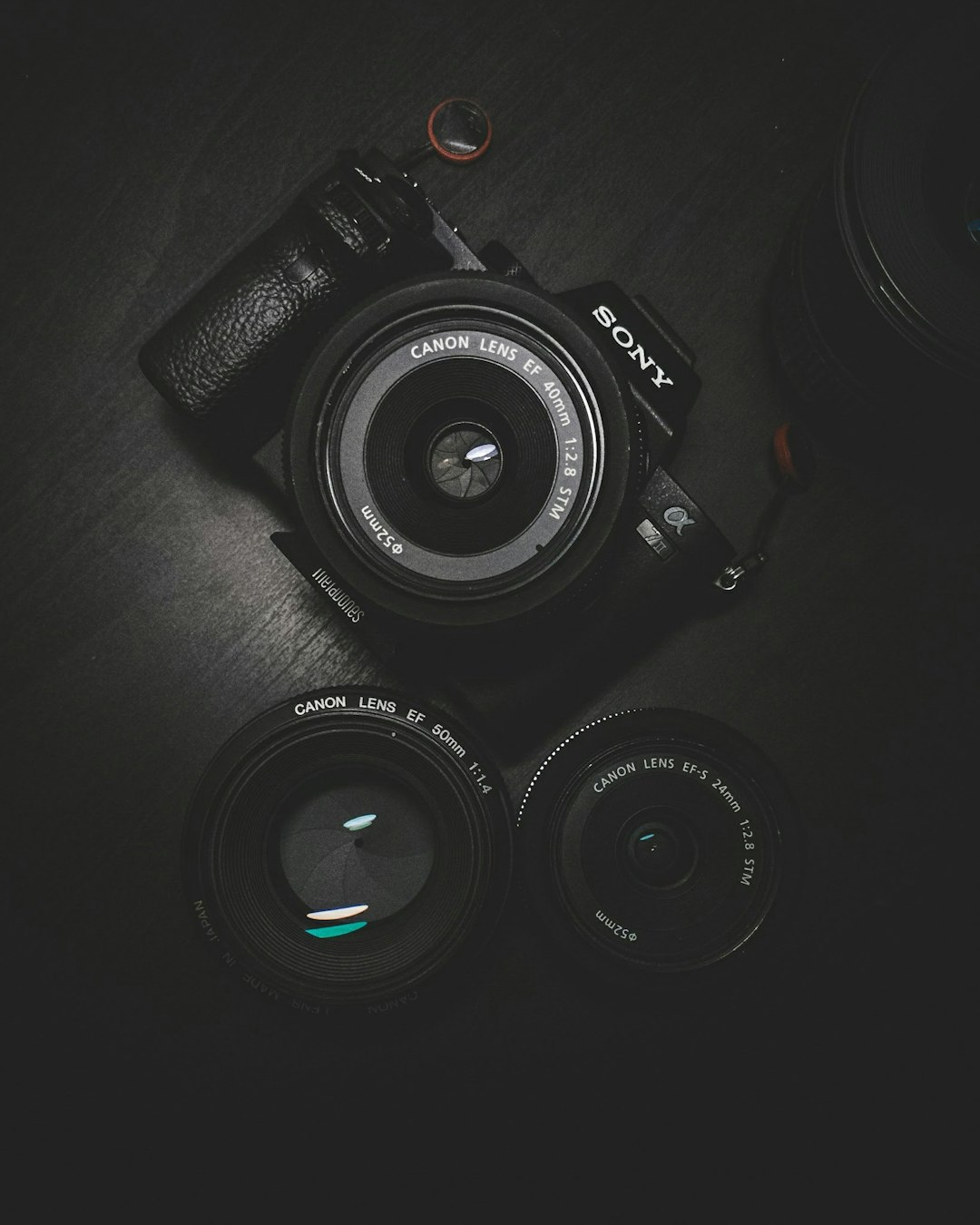
Natural light photography represents one of the most accessible yet challenging aspects of photography. Understanding how to work with sunlight, window light, and ambient outdoor conditions can transform your images from ordinary to extraordinary. This comprehensive guide explores everything you need to know about mastering natural light photography.
Understanding Natural Light Quality
The quality of natural light changes dramatically throughout the day, each phase offering unique characteristics for photography. Morning light provides soft, warm tones that flatter portraits and landscapes alike. The golden hour, occurring just after sunrise and before sunset, delivers the most sought-after lighting conditions with rich, warm hues and long shadows that add depth and dimension to your images.
Midday light, while often considered harsh, can work beautifully when used correctly. The key is understanding how to position your subject and utilize shade effectively. Overcast days offer natural diffusion, creating soft, even lighting perfect for portraits and detail work. Learning to read these different lighting conditions empowers you to shoot successfully at any time of day.
Direction of Light Matters
The direction from which light falls on your subject fundamentally affects the mood and appearance of your photograph. Front lighting illuminates your subject evenly, reducing shadows and creating a straightforward, clear image. This approach works well for documentary-style photography where clarity is paramount.
Side lighting creates dramatic shadows and highlights, adding depth and texture to your images. This technique particularly excels in portrait photography, where it sculpts facial features and creates compelling three-dimensional effects. Backlighting, perhaps the most challenging yet rewarding direction, can create stunning silhouettes, rim lighting effects, and ethereal glows around your subject.
Working with Window Light
Window light offers photographers incredible control over natural light indoors. Large windows act as giant softboxes, diffusing harsh sunlight into beautiful, manageable illumination. Position your subject at varying distances and angles from the window to achieve different effects. Closer to the window produces more dramatic contrast, while moving further away creates softer, more even lighting.
Consider the quality of light streaming through your windows. Direct sunlight creates hard shadows and high contrast, ideal for dramatic portraits. Diffused light from a north-facing window or on overcast days provides consistent, soft illumination perfect for product photography, still life, or gentle portraits. Experiment with sheer curtains to further modify and soften the light quality.
Modifying Natural Light
While natural light is beautiful on its own, simple modifications can enhance your results significantly. Reflectors bounce light back onto your subject, filling in shadows and creating more balanced exposures. White reflectors provide subtle fill light, while silver reflectors add brightness and contrast. Gold reflectors introduce warmth, perfect for enhancing skin tones in portraits.
Diffusion materials, whether purpose-built scrims or simple sheer fabric, soften harsh sunlight. Position a diffuser between the sun and your subject to create even, flattering light even in the brightest conditions. These affordable tools dramatically expand your creative options when working with natural light.
Camera Settings for Natural Light
Proper camera settings ensure you capture the full beauty of natural light. Start with aperture priority mode to maintain creative control over depth of field while the camera adjusts shutter speed. Wide apertures like f/1.8 or f/2.8 create beautiful background blur while allowing maximum light in dimmer conditions. Smaller apertures like f/8 or f/11 work well for landscapes where you want everything sharp.
ISO should remain as low as possible to maintain image quality, typically between 100-400 in good natural light. Increase ISO only when necessary to maintain adequate shutter speeds for sharp images. Monitor your histogram to ensure proper exposure, avoiding blown highlights in bright conditions or blocked shadows in darker situations.
Seasonal Considerations
Natural light characteristics change with the seasons, offering varied creative opportunities throughout the year. Summer provides long days with extended golden hours but also intense midday light requiring careful management. Winter brings shorter days with lower sun angles, creating longer periods of beautiful, soft directional light but requiring higher ISOs due to reduced light levels.
Spring and autumn offer moderate conditions with comfortable working temperatures and pleasant light quality. These transitional seasons often provide the most balanced natural light conditions for extended outdoor photography sessions. Understanding these seasonal variations helps you plan shoots and set realistic expectations for light quality.
Practical Tips for Success
Successful natural light photography requires both technical knowledge and practical experience. Arrive early to scout locations and observe how light interacts with your intended shooting area. Watch how shadows move and light quality changes to identify optimal shooting times.
Keep your equipment simple when starting out. A camera, a single lens, and perhaps a reflector provide everything needed to create stunning natural light images. Focus on mastering light observation and subject positioning before adding complex gear to your workflow.
Practice regularly in various lighting conditions to develop your eye for light. Photograph the same subject at different times of day to understand how changing light affects mood and appearance. This hands-on experience proves invaluable for developing intuition about natural light.
Common Mistakes to Avoid
Even experienced photographers sometimes struggle with natural light. Avoid shooting with the sun directly behind you, which creates flat, dimension-less images. Instead, position yourself so light comes from the side or at an angle to your subject.
Don't fear shadows. Many beginning photographers try to eliminate all shadows, resulting in flat, uninteresting images. Embrace shadows as tools for creating depth, dimension, and mood in your photographs.
Resist the urge to only shoot during golden hour. While this light is beautiful, limiting yourself to these brief periods restricts your growth as a photographer. Learn to work with all natural light conditions to become truly versatile.
Conclusion
Mastering natural light photography opens endless creative possibilities while requiring no expensive lighting equipment. By understanding light quality, direction, and modification techniques, you can create professional-quality images using only the sun and simple reflectors. Practice observing light in your daily life, experiment with different approaches, and embrace both the challenges and rewards that natural light photography offers. Your growing expertise will shine through in every image you create.