Portrait posing separates good photographs from exceptional ones. While technical skills like lighting and exposure are crucial, how you pose your subject dramatically impacts the final image's emotional resonance and visual appeal. Great posing looks effortless and natural, yet achieving this requires understanding body language, angles, and human psychology. This guide explores the art of posing to help you create compelling, authentic portrait photography.
Building Rapport and Comfort
Before discussing technical posing, establish genuine connection with your subject. Most people feel awkward in front of cameras, and this tension shows in photographs. Spend time chatting before shooting, learning about your subject's personality, interests, and concerns. This conversation relaxes them and provides insights into their character that inform your posing choices.
Explain your process and what you're looking for. When people understand why you're asking them to adjust their position or expression, they engage more cooperatively. Give specific, positive feedback throughout the session. Instead of saying what's wrong, guide them toward what works: "That's beautiful, now turn your shoulders slightly toward me."
Music, conversation, and humor keep energy positive during sessions. Awkward silence amplifies self-consciousness. Keep your subject engaged and distracted from the camera, allowing natural expressions to emerge organically.
Understanding Body Angles
Body positioning relative to the camera fundamentally affects how your subject appears. Facing the camera directly creates a bold, confrontational feel but can make people appear wider. For flattering portraits, angle the body at roughly 45 degrees to the camera. This creates dimension, implies movement, and naturally slims the subject's appearance.
The concept of "presenting the narrow edge" applies to most portrait situations. Whether it's the shoulder, hip, or face, showing the narrow edge rather than the broad side creates more elegant, flattering lines. Have subjects shift weight to their back foot, creating natural body angles without seeming posed or stiff.
Avoid squared shoulders directly facing the camera except for specific effects. Even slight rotation adds visual interest and dimension to portraits. This principle applies whether shooting formal headshots or casual environmental portraits.
Flattering Facial Angles
Face angle dramatically affects how someone appears in photographs. Most people have a preferred side that photographs more flatteringly. During your session, experiment with both sides to identify which works best. Subtle differences in facial symmetry, lighting, and bone structure often make one angle more appealing.
The "chin forward and down" technique addresses the common issue of unflattering neck and jawline. Ask subjects to extend their chin slightly forward toward the camera, then lower it marginally. This elongates the neck, defines the jawline, and prevents double chin appearance. The movement feels exaggerated to subjects but appears natural in photographs.
Head tilt adds personality and softness to portraits. Women often look graceful with a slight head tilt, while men typically suit straighter head positions for traditional masculine presentation. However, modern portrait photography increasingly blurs these conventions. Guide subjects based on the mood you're creating and their personal comfort.
Hand and Arm Positioning
Hands pose one of the greatest challenges in portrait photography. Awkward hand placement instantly makes otherwise beautiful portraits feel uncomfortable. The key principle: hands should look natural and purposeful, never disconnected or tense.
Avoid having subjects press hands flat against their body, which creates unflattering pressure and tension. Instead, create space between arms and torso, slimming the appearance and adding grace. Have subjects rest hands gently on surfaces, touch their face delicately, or hold props that give hands natural purpose.
When hands appear in frame, show their edge rather than the palm, which can appear large and dominant. Relaxed, slightly curved fingers look more elegant than straight, rigid ones. If subjects struggle with hand positioning, giving them something to hold or interact with often solves the problem naturally.
Creating Natural Expressions
Genuine expression separates mechanical portraits from compelling ones. Asking someone to "smile" rarely produces authentic emotion. Instead, engage subjects emotionally to evoke real responses. Tell jokes, share stories, or ask them about topics they're passionate about. These conversations spark genuine smiles and authentic expressions.
For serious or contemplative portraits, guide subjects to think about specific emotions or memories. "Think about someone you deeply admire" or "remember your favorite childhood memory" gives them emotional direction that manifests in their expression.
Shoot between posed moments. Often the best expressions happen when subjects relax between shots, thinking they're not being photographed. Stay ready with your camera and capture these unguarded moments that often convey more authenticity than formal poses.
Using Props and Environment
Props provide subjects something to do with their hands and body, creating more natural, comfortable poses. A coffee cup, book, jacket, or flowers gives purpose to hand positioning and creates storytelling elements within your portrait. Choose props that relate to your subject's personality or profession for more meaningful images.
Environmental elements offer natural posing opportunities. Leaning against walls, sitting on steps, or interacting with architectural features creates casual, relaxed poses. These environmental interactions make portraits feel less staged and more documentary in style.
Consider how clothing affects posing. Flowing fabrics create movement and elegance, while structured clothing suits more formal, static poses. Advise subjects about appropriate clothing before sessions, explaining how different styles photograph and move.
Group Portrait Dynamics
Posing multiple people introduces complexity as you balance individual flattery with cohesive composition. Create visual interest by varying heights through standing, sitting, and kneeling positions. Avoid lining everyone up at the same level, which creates static, formal-looking images.
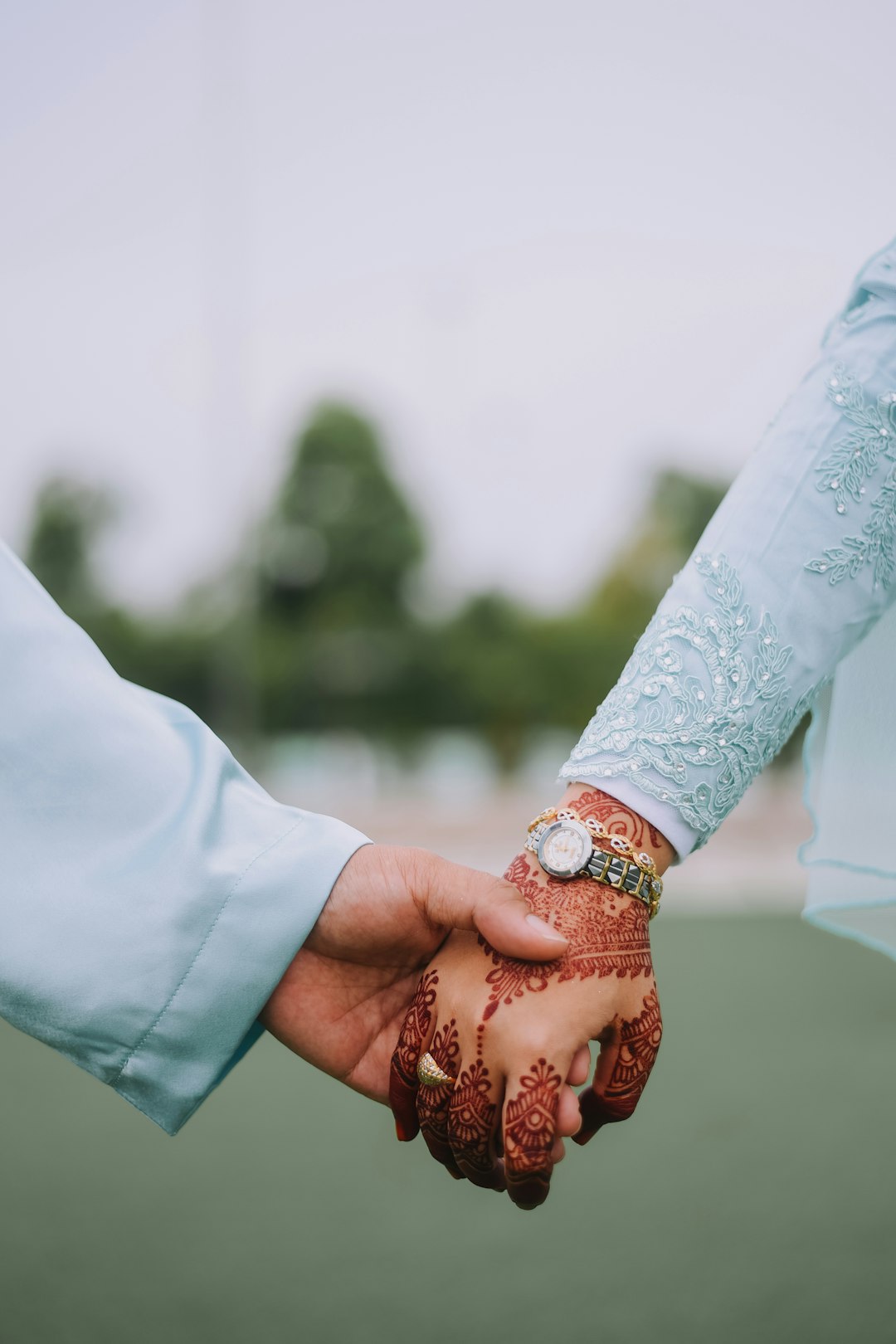
Physical connection between group members suggests relationship and intimacy. For families or couples, natural touching, holding hands, or embracing creates warmth. For professional groups, varied positions and subtle overlapping creates cohesion without excessive familiarity.
In larger groups, arrange people in triangular or diagonal patterns rather than straight lines. These dynamic arrangements create visual interest while ensuring everyone appears prominently. Watch for and correct common issues like hidden hands, tilted heads, or closed eyes by reviewing shots and making adjustments.
Adapting Poses to Body Types
Effective posing considers individual body types and adapts accordingly. For larger subjects, angle positioning becomes even more critical. Three-quarter poses, strategic clothing choices, and positioning arms away from the body all create more flattering images. Never make subjects feel self-conscious; instead, naturally guide them toward poses that work beautifully for their body.
Petite subjects benefit from poses that elongate. Shooting from slightly lower angles, having them extend limbs, and creating vertical lines through positioning all add perceived height. Avoid poses that compress or scrunch smaller subjects.
Individual features guide posing decisions. Strong jawlines suit profile or three-quarter poses that showcase them. Prominent noses photograph better from straight-on angles. Developing an eye for these subtleties helps you quickly identify flattering approaches for each unique subject.
Movement and Candid Moments
While traditional posing creates polished results, incorporating movement generates dynamic, contemporary portraits. Ask subjects to walk toward you, spin, throw their head back laughing, or interact with their environment. These actions create natural, unself-conscious moments that feel fresh and authentic.
Continuous shooting mode captures the perfect moment within movement sequences. The peak of a laugh, the graceful arc of a spin, or the natural stride of a walk often produces more compelling images than static poses. This approach particularly suits subjects who feel uncomfortable holding still poses.
Conclusion
Mastering portrait posing requires practice, observation, and empathy. Study how professional photographers pose subjects, notice what makes certain poses flattering, and continuously experiment with your own subjects. Remember that technical perfection matters less than authentic connection and emotion. The most memorable portraits capture genuine human moments, facilitated by thoughtful posing that makes subjects look and feel their best. As you develop your posing skills, you'll find that directing subjects becomes intuitive, allowing you to focus on capturing the essence of the people before your lens.